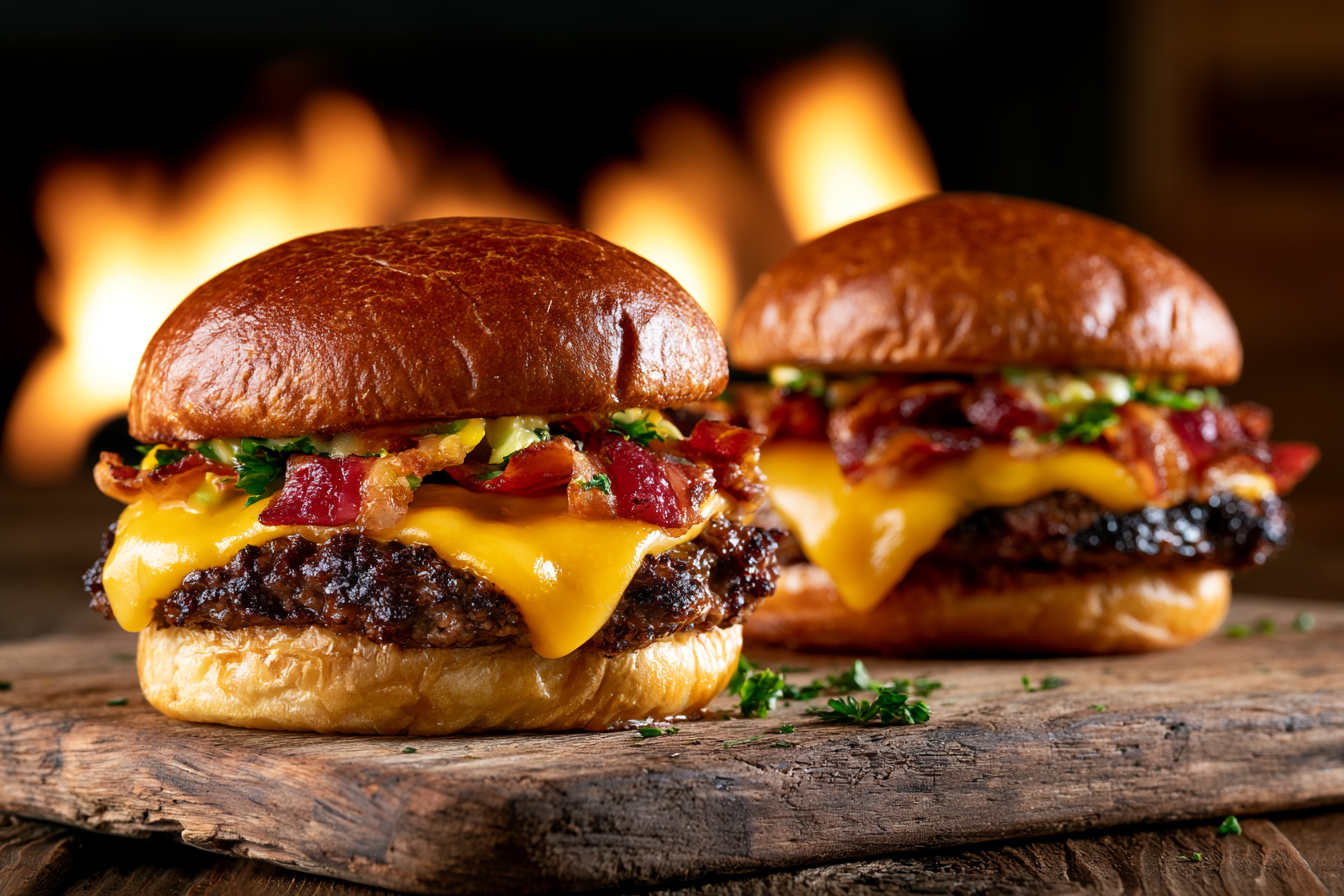
The Best Smash Burgers —Crispy Edges, Melty Cheese, and Juicy Every Time
Nobody warned me the first time I ordered a smash burger at a tiny roadside spot just off the highway somewhere in Tennessee. I was expecting something ordinary — a burger was a burger. What arrived was a thin, ragged-edged patty with edges so crispy they crackled when I pressed them with my fork, cheese melted so completely it had become part of the meat, and a bun that had been toasted in the drippings until it was golden and faintly sweet. I sat in that plastic chair and ate every single bite in silence. Then I ordered another one. That was the moment I understood that a smash burger is not just a cooking method — it’s a philosophy. Maximum contact, maximum crust, maximum flavor.
The secret is something called the Maillard reaction — the chemical process that happens when meat hits a screaming hot surface and browns rapidly. A traditional thick burger seals on the outside and steams in the middle. A smash burger spreads wide, makes full contact with the heat, and develops a deep, savory crust on nearly every surface. Once you understand that, everything else falls into place. These homemade smash burgers are the ones that have replaced every other burger recipe in my kitchen.
Ingredients
For the Smash Burgers (makes 4 double smash burgers)
- 1½ lbs (680 g) ground beef, 80/20 fat ratio
- 8 slices American cheese
- 4 soft brioche burger buns
- 1 tablespoon neutral oil or clarified butter, for the griddle
- Fine sea salt and black pepper
For the Smash Sauce
- ⅓ cup mayonnaise
- 2 tablespoons ketchup
- 1 tablespoon yellow mustard
- 1 tablespoon sweet pickle relish
- 1 teaspoon white wine vinegar
- ½ teaspoon garlic powder
- ½ teaspoon onion powder
- Pinch of fine sea salt
For Serving
- Shredded iceberg lettuce
- Thinly sliced white onion
- Dill pickle slices
- Sliced tomato (optional)
Instructions
Step 1 — Make the smash sauce Combine all sauce ingredients in a small bowl and whisk until smooth. Taste and adjust — more mustard for sharpness, more relish for sweetness. Cover and refrigerate until ready to use. This sauce keeps well for up to a week and makes everything better.
Step 2 — Portion the beef Divide the ground beef into 8 equal balls, about 3 oz (85 g) each. Do not season yet and do not overhandle the meat — loose, rough balls smash better and develop a better crust than tightly packed ones. Refrigerate until the griddle is fully heated.
Step 3 — Toast the buns Heat a cast-iron skillet or flat griddle over medium-high heat. Place the buns cut-side down and toast for 60–90 seconds until golden. Set aside. Toasted buns are non-negotiable — they hold up to the sauce and juices without going soggy.
Step 4 — Heat the cooking surface Increase the heat to high and add the oil or clarified butter. You want the surface genuinely hot — a drop of water should evaporate instantly on contact. A cast-iron skillet, a carbon steel pan, or a flat griddle all work excellently. A nonstick pan does not get hot enough and will not give you the crust you’re after.
Step 5 — Smash and cook Place two beef balls on the hot surface, leaving space between them. Immediately place a sheet of parchment paper over each ball and press down hard and fast with a heavy spatula or burger press — as flat and as wide as you can get them, ideally about ¼ inch thick. Season generously with salt and pepper the moment they hit the pan. Cook undisturbed for 90 seconds to 2 minutes until the edges are visibly brown and crispy and the top of the patty has changed color about halfway up. Do not press again after the initial smash.
Step 6 — Flip and add cheese Scrape the patty off the surface with a thin metal spatula — get completely under the crust, don’t tear it. Flip in one confident motion. Immediately place a slice of American cheese on top of each patty. For a double burger, place a second cheesed patty directly on top of the first while both are still on the heat. Cook for another 45–60 seconds until the cheese is fully melted and the second side has color.
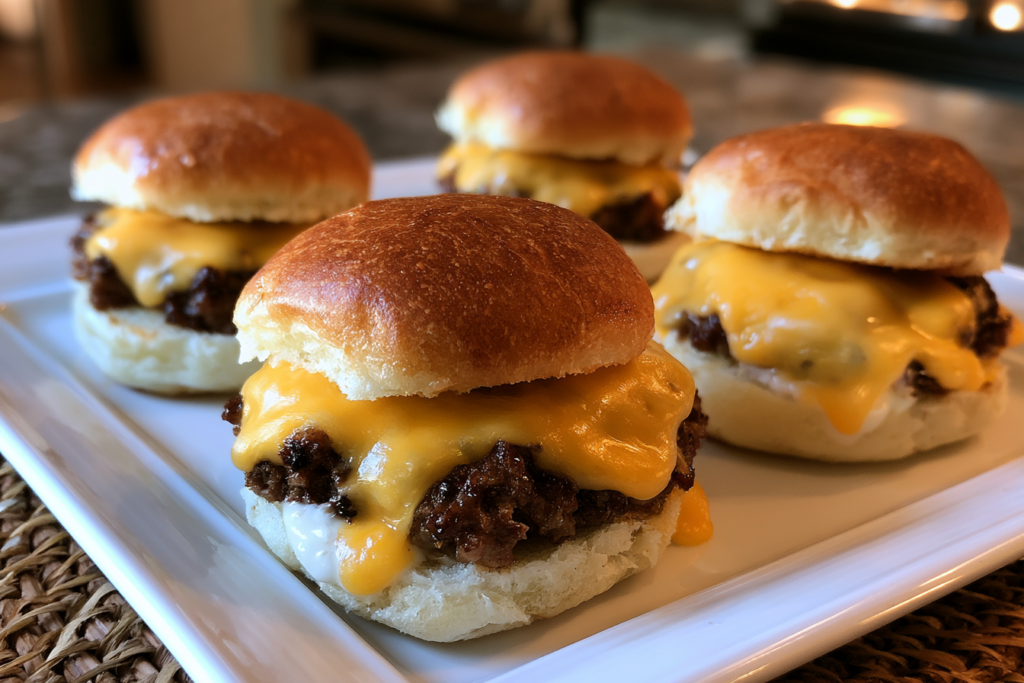
Step 7 — Build and serve Spread smash sauce generously on both sides of the toasted bun. Add shredded lettuce, sliced onion, and pickles to the bottom bun. Stack the double patty on top. Serve immediately — smash burgers are at their best within two minutes of leaving the pan, when the crust is still crackling.
Pro Tips
- 80/20 ground beef is essential. The fat content is what creates the crust and keeps the patty juicy despite being so thin. Leaner beef produces a dry, tough result.
- Don’t season before smashing. Salt draws out moisture and can make the outside of the ball wet, which prevents the crust from forming properly. Season immediately after the patty hits the pan.
- Use American cheese only. It melts completely and evenly in a way that no other cheese matches. Sharp cheddar, Swiss, or pepper jack all have their place — but for a proper smash burger, American cheese is the right answer.
- A thin metal spatula is not optional. A thick or flexible spatula won’t get cleanly under the crust and you’ll tear the patty. A thin, rigid griddle spatula is the single most important tool for this recipe.
- Cook in batches of two. Crowding the pan drops the surface temperature and you lose the sear. Two patties at a time, every time.
Storage and Make-Ahead
Smash burgers are best eaten immediately — the crust softens quickly as it sits. That said, the smash sauce can be made up to a week ahead and stored in a sealed jar in the fridge. The beef can be portioned into balls and refrigerated uncovered for up to 24 hours before cooking — cold, firm balls smash more cleanly than warm ones. Leftover cooked patties reheat reasonably well in a hot dry skillet for 60–90 seconds per side, though the crust won’t fully recover.
FAQ
What is a smash burger exactly? A smash burger is made by pressing a loose ball of ground beef flat against a very hot cooking surface immediately after it hits the pan. The result is a thin patty with an intensely crispy, caramelized crust — very different from a traditional thick burger.
Do I need a special smash burger press? No — a heavy flat-bottomed spatula works perfectly well. Place a small square of parchment paper between the spatula and the meat to prevent sticking, and press down hard and fast. The key is speed and force in that first smash.
Can I cook smash burgers on a regular skillet? Yes, as long as it’s cast iron or carbon steel and gets genuinely hot. Nonstick pans don’t reach the temperatures needed for the Maillard reaction that creates the crust. A flat cast-iron skillet or griddle pan is the best tool for the job.
Why does my smash burger stick to the pan? Either the pan wasn’t hot enough, or you tried to flip too early. Wait until the edges are visibly browned and the top of the patty looks mostly cooked before flipping. A properly developed crust releases cleanly from a well-heated surface.
Can I make smash burgers for a crowd? Absolutely. Set up two skillets or use a large flat griddle and cook four patties at a time. Keep finished burgers warm in a 200°F oven on a wire rack while you cook the remaining batches. Assemble and serve all at once.
Closing
A great smash burger is one of those things that feels almost too simple — loose beef, hot pan, hard press, good cheese. But when every element comes together at the right moment, the result is something genuinely special. The kind of burger that makes you stop mid-bite and just appreciate it. Make these once on a weekend afternoon and I promise your regular burger nights will never look the same. Leave a comment below and tell me how they turned out — and whether you managed to stop at one.